Classification and Arrangement
Information is sorted into defined categories before you see it. The system applies consistent classification logic so that what you encounter has already been organised by type, relevance, and grouping.
The platform brings coherence to information that would otherwise be scattered — sorting it into reviewable, accessible arrangements for users who need clarity, not noise.
At its foundation, Canksiwell is a classification-first system. It receives information inputs, applies organisational logic, and surfaces structured output that users can meaningfully review. Rather than presenting raw data, the system arranges it according to category, relevance, and user context.
The interface is built around the idea that information should be understood before it is acted upon. Canksiwell presents organised views rather than overwhelming lists — helping users identify what is pertinent and what can be set aside.
Users interact with the system through a guided interface that reflects the current state of available information. Categories can be navigated, entries can be examined in detail, and the overall arrangement of content remains consistent and predictable.
Canksiwell is not a search engine, a content repository, or an advisory service. It is a purposeful tool for reviewing organised information — one that applies AI-assisted classification to make structured access genuinely useful.
Canksiwell's capabilities are designed to complement how people naturally work through organised information.
Information is sorted into defined categories before you see it. The system applies consistent classification logic so that what you encounter has already been organised by type, relevance, and grouping.
The Canksiwell interface surfaces information in a structured layout — not as a list you have to sift through, but as a review environment where categories, groupings, and context are always visible.
AI-assisted logic identifies patterns in the available information and provides contextual cues — helping you understand what a piece of content relates to and where it sits within the broader organised structure.
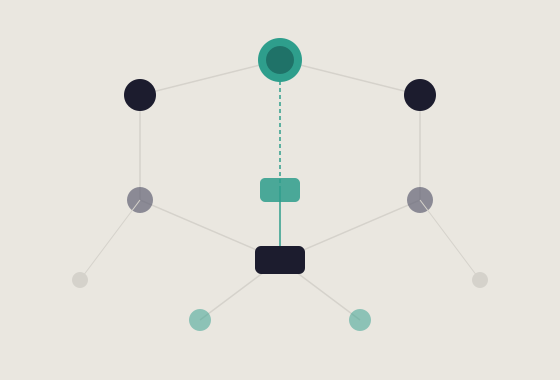
Canksiwell applies classification before information reaches your review interface. This means that by the time you open a category or examine an entry, the system has already determined where it belongs and how it relates to neighbouring content.
The network of classifications is not fixed — it adapts as new information is introduced, maintaining coherence without requiring manual reorganisation from the user. Each category remains linked to related groupings, making it straightforward to move through a body of information systematically.
Users who engage with Canksiwell regularly will find that the system's arrangements become familiar — establishing a consistent vocabulary for how different types of information are presented and where they can be found.
Read the System OverviewExplore the platform's functions or contact us to find out how the system can support your information review needs.
What Canksiwell Is — and What It Is Not